
Turkey
Handmade Rugs From Turkey
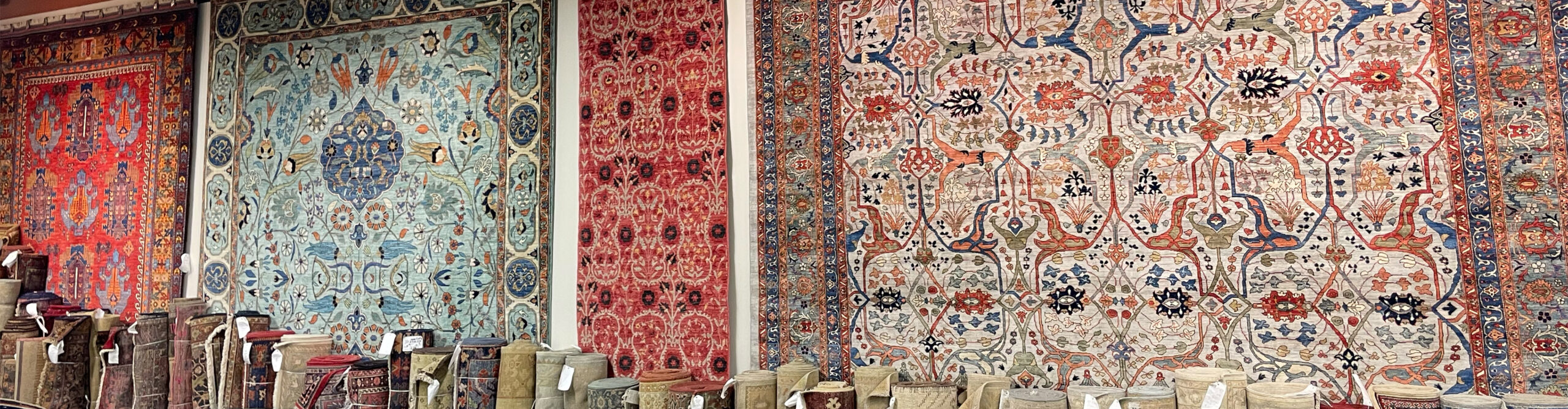
Rugs from Turkey are celebrated for their rich history, masterful craftsmanship, and diverse styles, rooted in centuries of Anatolian tradition. Handwoven across regions like Hereke, Konya, and Ushak, these rugs often use high-quality wool, cotton, or silk, with some luxurious examples featuring fine knot counts for intricate detailing. The Turkish (symmetric) knot is a hallmark, ensuring durability and crisp patterns, from geometric tribal designs to elegant floral motifs inspired by Ottoman and Persian influences. Colors are striking yet balanced—deep reds, blues, golds, and creams—typically derived from natural dyes like madder root and indigo, though modern rugs may use synthetic hues.
Historically, Turkish rugs adorned mosques, palaces, and homes, with 16th-century Ottoman court designs setting a gold standard. Hereke silk rugs dazzle with their finesse, while Kilims offer flat-woven versatility in bold, rustic patterns. Motifs often carry cultural weight, like the “evil eye” for protection or medallions symbolizing eternity. Varying from plush, thick piles to lightweight flats, these rugs blend practicality with art. Today, Turkey’s rug-making legacy thrives, merging ancient techniques with contemporary flair, making them timeless treasures for collectors and decorators alike.
Distinguishable By Region
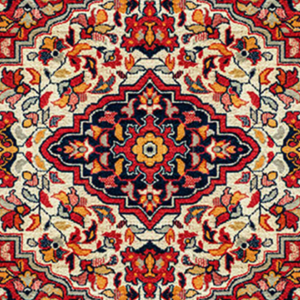
Originating from the town of Hereke near Istanbul, these are among Turkey’s finest rugs, often made with silk or a wool-silk blend. Known for their high knot density (up to 1,000 knots per square inch), they feature intricate floral and curvilinear patterns inspired by Ottoman court designs, with rich colors like red, blue, and gold.
From the western Anatolian city of Uşak, these rugs are famous for their soft wool pile and large-scale, open designs. They often display star or medallion motifs in muted earth tones—reds, blues, and ivories—popularized in the 16th century and still prized for their elegant simplicity.
These flat-woven rugs, made across Turkey, emphasize bold geometric patterns and tribal motifs. Lightweight and reversible, they use vibrant natural dyes in reds, yellows, and blues, often featuring symbols like the “hands-on-hips” for fertility or “ram’s horn” for strength.
From the Anatolia region, which encompasses most of modern-day Turkey. These rugs are a broad category that includes various styles woven across Turkey’s diverse regions, reflecting centuries of cultural and artistic traditions. Anatolian rugs are typically handwoven using the Turkish (symmetric) knot, known for durability and precise patterns.
They feature a wide range of designs, from geometric and tribal motifs to floral and curvilinear patterns, influenced by Ottoman, Persian, and nomadic traditions. Common materials include wool, cotton, and occasionally silk, with natural dyes like madder red, indigo blue, and walnut brown dominating traditional pieces. Styles such as Ushak, Konya, and Kilims (flat-woven rugs) are prominent examples of Anatolian rugs, each tied to specific locales within Turkey.